
Silicone – Professional Mouldmaking Materials for High-Precision Replication
Silicone is one of the most versatile and reliable mouldmaking materials available today, used across industries such as prop building, SFX, product prototyping, art reproduction, sculpture, model-making, restoration, architecture, industrial design, and more.
Whether you are creating durable production moulds, one-off artistic impressions, lifecasts, or high-detail replicas, silicone offers unmatched accuracy, durability, and surface quality.
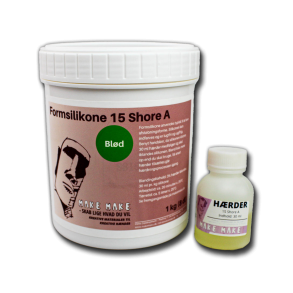
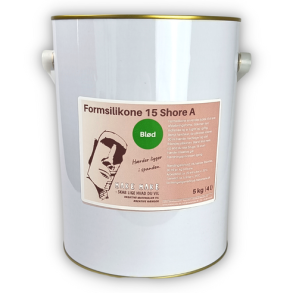
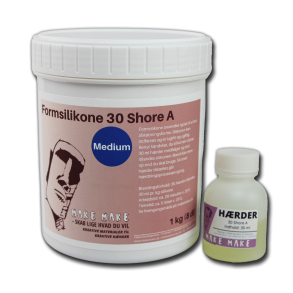
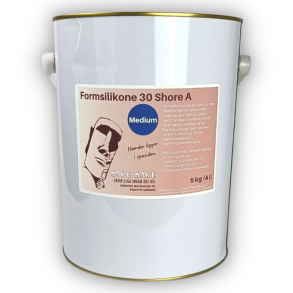
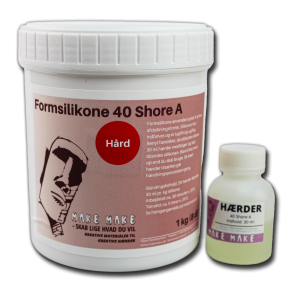
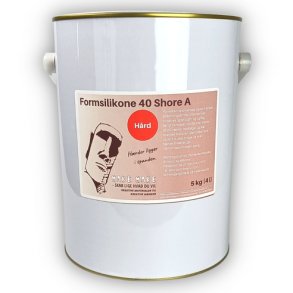
MakeMake supplies a curated, professional-grade selection of tin-cure and platinum-cure silicone systems — each suited to different workflows, materials, and performance requirements. Our range covers everything from soft, flexible formulations for complex undercuts, to firm, abrasion-resistant systems for repeated casting cycles.
Below is a comprehensive guide to both silicone types, their strengths, limitations, and recommended applications — helping you select the correct system for your project.

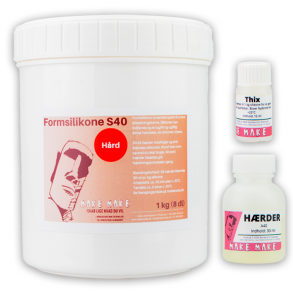
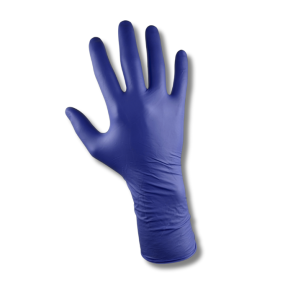
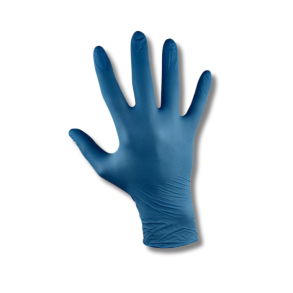
Blue Nitrile Gloves 50 pcs - Extra-long and Heavy-duty
Particularly suitable for sculpting with ConcreteClay™
EUR 16,06
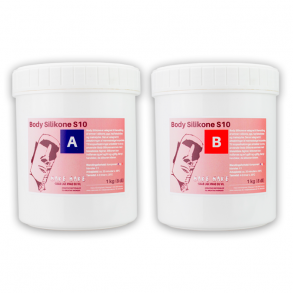
Body Silicone (10 Shore A) (2 kg kit)
Body Silicone is specifically designed for lifecasting and molding body parts or other objects that come into direct contact with the skin.
EUR 100,27
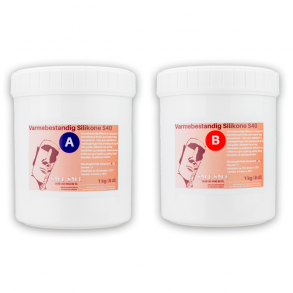
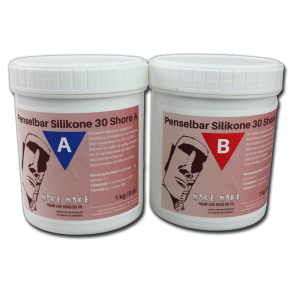
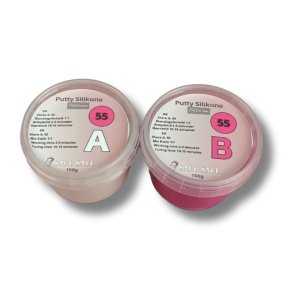
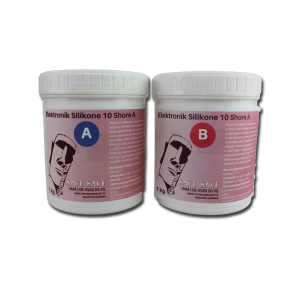
Electronic Silicone 10 Shore A - 2 kg Kit
Electronic Silicone for Sealing Electrical Components
EUR 84,20

Silicone Colours
These silicone pigments are highly concentrated and specially formulated for use with both platinum- and tin-cure silicone.
EUR 3,35
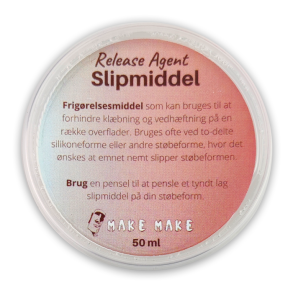
Release Agent
A release agent makes it easier to demold your item from silicone molds. Contents: 50 ml
EUR 5,35
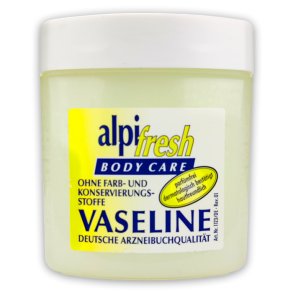

TIN-CURE SILICONE (CONDENSATION-CURE)
Reliable, budget-friendly, and highly versatile
Tin-cure silicone (RTV) is widely used for general mouldmaking. It cures by condensation and provides an excellent balance between price, ease of use, and performance — making it ideal for artists, hobbyists, educators, and professionals who need dependable moulds with strong detail reproduction.
Key Advantages
Highly versatile: Suitable for plaster, concrete, wax, soap, low-temperature resin systems, polyurethane foam, gypsum, and more.
Excellent detail capture: Reproduces fine textures and surface patterns with high accuracy.
Cost-effective: Often the preferred choice for medium- to large-scale moulds.
Forgiving mixing and working properties: Ideal for beginners and advanced users.
Good tear strength: Handles complex shapes and moderate undercuts reliably.
Works with most model materials: Minimal risk of cure inhibition.
Considerations
Limited lifespan: Tin-cure silicone degrades more quickly over time than platinum-cure equivalents, especially when exposed to harsh cast materials.
Slight shrinkage during curing: Typically 0.2–0.6% — acceptable for most artistic and hobby applications but relevant for precision-critical moulds.
Not food-safe: Should not be used for culinary moulds.
Best Uses
Concrete and plaster moulds
MakeMake ConcreteClay texture stamps
Decorative objects and architectural details
Soap and candle moulds
Wax and low-temperature cast materials
One-off or short-run casting projects
Larger moulds where flexibility and affordability matter
PLATINUM-CURE SILICONE (ADDITION-CURE)
High-performance, long-life silicone for demanding and professional applications
Platinum-cure silicone is the industry standard for premium mouldmaking. It cures by addition (no by-product release), offering exceptional stability, long mould life, and near-zero shrinkage.
Key Advantages
Extremely long mould life: Ideal for repeated casting, commercial production, and industrial use.
Zero shrinkage: Maintains precise dimensions, making it suitable for engineering parts and precision modelling.
Superior tear strength and elasticity: Handles deep undercuts and complex shapes with reduced risk of tearing.
High chemical resistance: Withstands aggressive resins, PU materials, epoxies, and high-heat casting systems.
Food-safe options available: Suitable for chocolate, fondant, and culinary moulding (when rated for food contact) - The silicone material is FDA compliant for food contact according to 21 CFR §177.2600.
Exceptional surface reproduction: Captures micro-textures, pores, and fine lines with extraordinary accuracy.
Considerations
Risk of cure inhibition: Can be inhibited by sulfur, tin residues, latex, certain clays, adhesives, and some 3D-printed materials. Proper testing and sealing are required.
Higher cost: Reflects the superior performance and longevity.
More sensitive to environment: Humidity, temperature, and surface contaminants may influence cure performance.
Best Uses
High-detail, precision moulds
SFX lifecasting (faces, hands, body forms)
Prosthetic making and prop creation
Architectural prototypes and museum-quality replicas
Industrial components and engineering moulds
Long-run casting production
Highly detailed figurines, miniatures, and art pieces
CHOOSING THE RIGHT SILICONE
Both silicone types are excellent — the right choice depends on your priorities:
| Need | Choose |
|---|---|
| Most economical | Tin-cure |
| Extremely long mould life | Platinum-cure |
| Works reliably with concrete, plaster, or MakeMake ConcreteClay | Tin-cure or platinum-cure |
| Best for epoxies, PU resins, and demanding materials | Platinum-cure |
| Zero shrinkage for precision | Platinum-cure |
| Beginner-friendly, general-purpose | Tin-cure |
| Food-safe moulds | Platinum-cure (food-rated) |
| Large moulds with difficult geometry | Tin-cure or platinum-cure (choose softness) |
SILICONE IN CREATIVE AND INDUSTRIAL WORKFLOWS
Whether you are creating a small hobby mould or a large architectural reproduction, silicone provides essential benefits:
Exceptional Flexibility
Silicone stretches and bends without deformation, making demoulding easy — even with deep undercuts.
High Temperature Resistance
Safe for casting materials like wax and low-melt metals (depending on formulation).
Chemical Stability
Resists moisture, UV light, and most chemicals.
Consistent Performance
Silicone does not shrink or expand after cure, ensuring identical results across casting cycles.
USING SILICONE WITH MAKEMAKE MATERIALS
Silicone moulds are ideal for casting:
MakeMake ConcreteClay
Epoxy and polyurethane resins
Plaster and gypsum
Wax and soap
Jesmonite-type materials
Because silicone is flexible and non-stick, it reliably releases even highly detailed concrete textures, making it perfect for creating:
Rock structures
Texture stamps
Decorative surfaces
Props and artistic reproductions
Garden ornaments
Concrete tiles and panels
SUPPORTING MATERIALS & GUIDES
MakeMake provides detailed blogs, step-by-step guides, and professional tips covering:
Mould design and planning
Silicone selection
Casting techniques
Release agents
Safety guidelines
Reinforcement, support shells, and multi-part moulds
Troubleshooting cure issues
These resources ensure that both beginners and professionals achieve consistent, high-quality results.